Incretin Analogs
Showing all 3 results
-
Research use only−30%
 Incretin Analogs
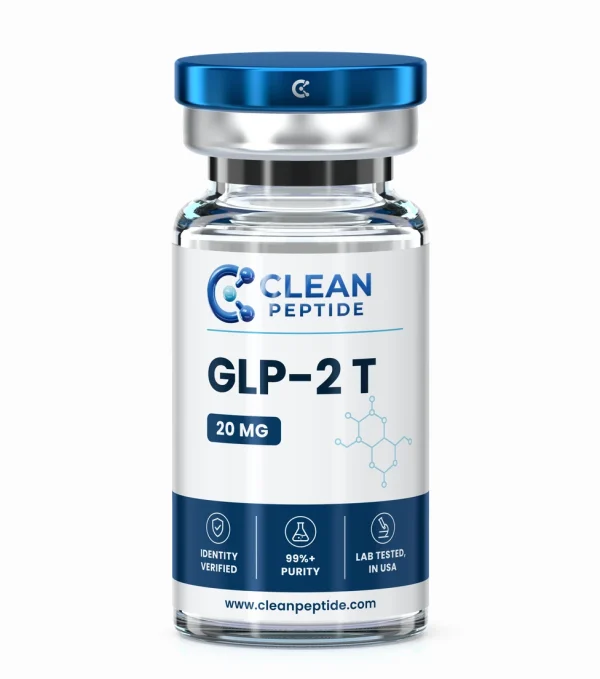
GLP-2 Tirz
Original price was: $72.99.$51.09Current price is: $51.09.Learn more about GLP-2 Tirz -
Research use only−30%
 Incretin Analogs
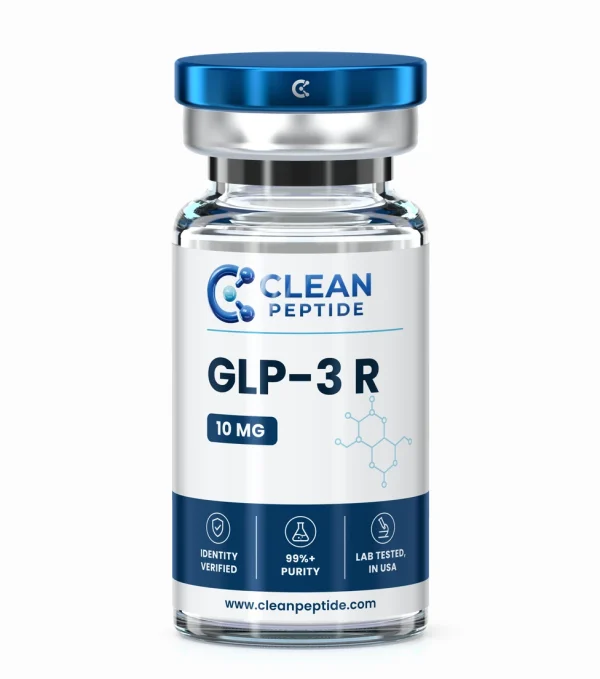
GLP-3 Reta
Original price was: $97.64.$68.35Current price is: $68.35.Learn more about GLP-3 Reta -
Research use only−30%
 Incretin Analogs
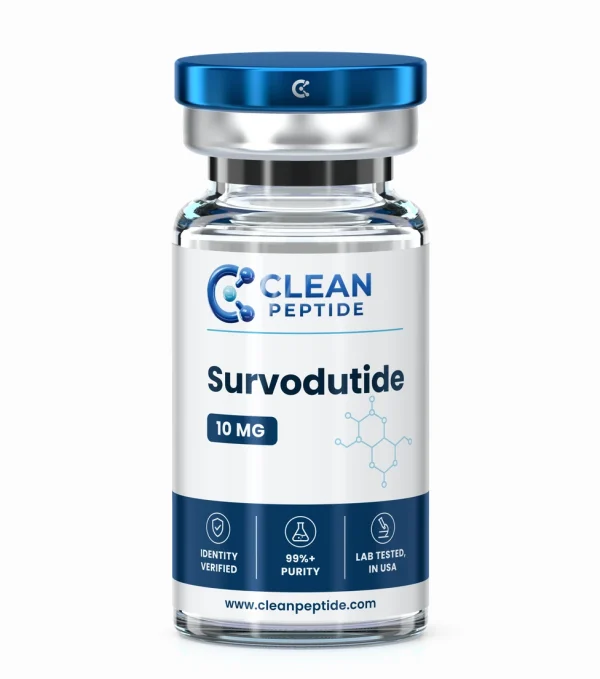
Survodutide
Original price was: $182.00.$127.40Current price is: $127.40.Learn more about Survodutide


About Incretin Analogs
Incretin analogs, often listed as GLP peptides, are synthetic peptides modelled on the gut hormones GLP-1 and GIP and the related hormone glucagon. This category lists the three held in stock as reference material for in-vitro laboratory work, by fill size: GLP-2 Tirz (tirzepatide, a GIP and GLP-1 receptor agonist), GLP-3 Reta (retatrutide, which adds the glucagon receptor) and survodutide (a glucagon and GLP-1 receptor agonist). The “GLP-2” and “GLP-3” in those names are catalogue labels for the number of receptors, not hormone names.
Each size is released against the certificate issued for its own lot, not against a generic document. The certificate records the compound identity, purity by HPLC against the stated specification, and the assays run on that lot, and it names the issuing laboratory and the lot code so the report can be checked independently. Sold for laboratory research use only, to buyers 21 and over.
Related: GLP-3 Reta (retatrutide), certificates by size GLP-2 Tirz (tirzepatide) Survodutide GLP-1 vs GLP-2 vs GLP-3: what the names mean Retatrutide price per vial and per mg Retatrutide vs tirzepatide Survodutide, mazdutide, tirzepatide and retatrutide compared Retatrutide vs semaglutide Tirzepatide vs semaglutide Full certificate library
Common questions
What is an incretin analog?
An incretin analog is a synthetic peptide built to match, or closely follow, the sequence of a naturally occurring incretin hormone. The term is a chemical classification rather than a description of any application. On this site it is used as a catalogue heading for the peptides in that structural family that are stocked as reference material for in-vitro laboratory research.
Are GLP-3 peptides a real class?
No. There is no GLP-3 hormone or receptor. Research catalogues use “GLP-3” for retatrutide because it adds a third receptor to the GLP-1 class, and “GLP-2” for tirzepatide because it acts on two; tirzepatide is not a GLP-2 agonist. GLP-1 and GLP-2 themselves are real intestinal hormones with their own receptors.
Is survodutide an incretin analog?
In part. It activates the GLP-1 receptor, the main incretin receptor, and the glucagon receptor, which is not an incretin receptor. It is listed here with the other multi-receptor GLP-1 peptides. Survodutide is investigational and had not been approved by any regulator by October 2026.
What purity should a research-grade incretin analog be?
Purity is a measured figure on a signed certificate, not a grade. The released specification on the certificates in this category is not less than 95.0% by HPLC. Recorded figures have run above 99%: the GLP-3 Reta lots tested 3 September 2026 were recorded at 99.90% by HPLC. The figure that applies is the one printed on the certificate for the lot shipped.
What documentation comes with every lot?
The panel on a current GLP-3 Reta certificate runs to seven items: identity by HPLC, purity by HPLC against specification, net peptide content measured against the labelled fill, a fentanyl screen, heavy metals by ICP-MS, sterility by PCR, and endotoxin by USP 85. Panel depth varies by lot and by issuing laboratory, so the certificate for each size lists exactly what was run on it.
How is a certificate checked against the laboratory that issued it?
Every certificate carries a lot code and the name of the independent laboratory that signed it. The GLP-3 Reta and GLP-2 Tirz lots currently on file were analysed by different laboratories, each named on its own certificate rather than assumed from the catalogue. Quoting the lot code to the issuing laboratory allows the report to be confirmed at source.
How are incretin analogs supplied and stored, and who may order them?
All three ship as lyophilized powder in a sealed glass vial, sold by labelled milligram content. The storage condition on file is minus 20 degrees Celsius, protected from light, applied to the sealed vial as supplied. Ordering is limited to buyers aged 21 and over, and the material is stocked for laboratory research use only. It is not supplied for human or veterinary use and holds no food or medicinal status.