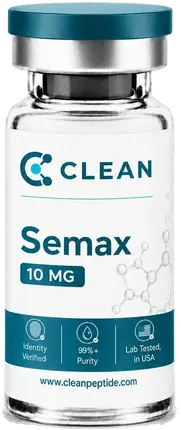
Longevity & Mitochondrial Peptides
Showing all 5 results
-
Research use only−30%
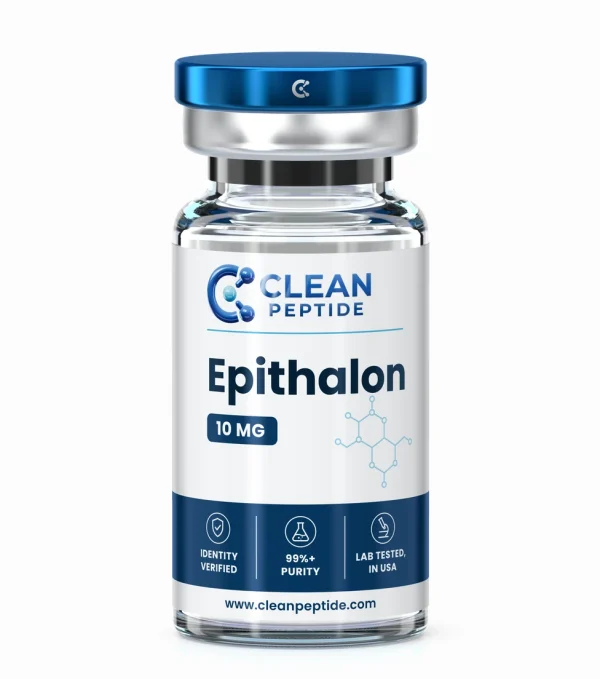 Longevity & Mitochondrial Peptides
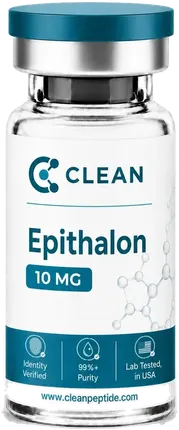
Epithalon
Original price was: $60.00.$42.00Current price is: $42.00.Learn more about Epithalon -
Research use only−30%
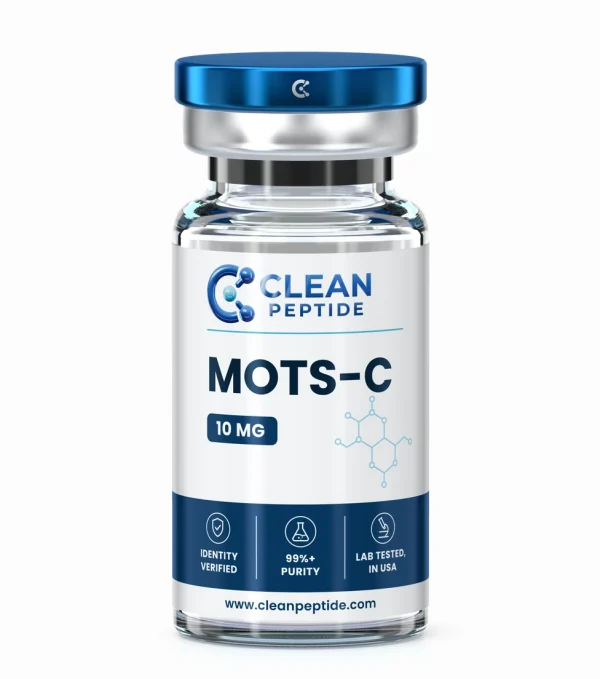 Longevity & Mitochondrial Peptides
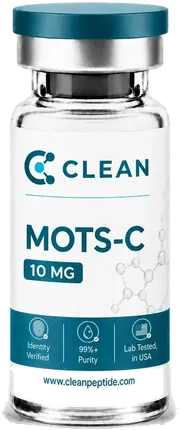
MOTS-C
Original price was: $72.00.$50.40Current price is: $50.40.Learn more about MOTS-C -
Research use only−30%
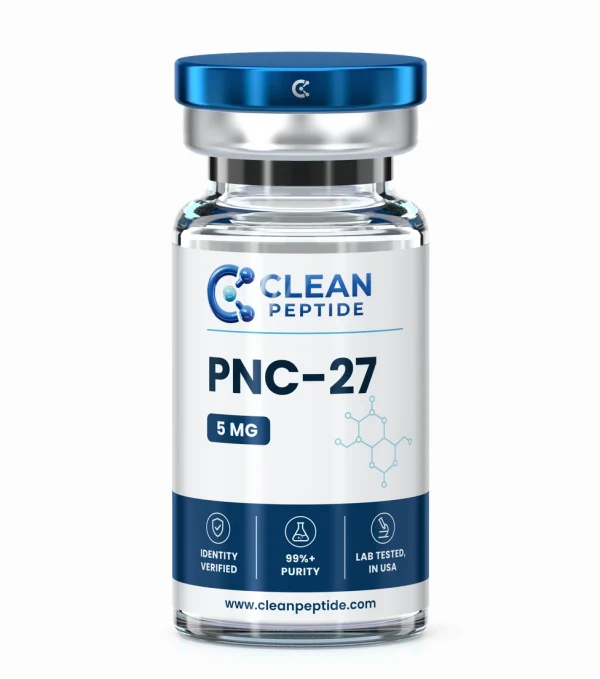 Longevity & Mitochondrial Peptides
PNC-27
Original price was: $79.99.$55.99Current price is: $55.99.Learn more about PNC-27 -
Research use only−30%
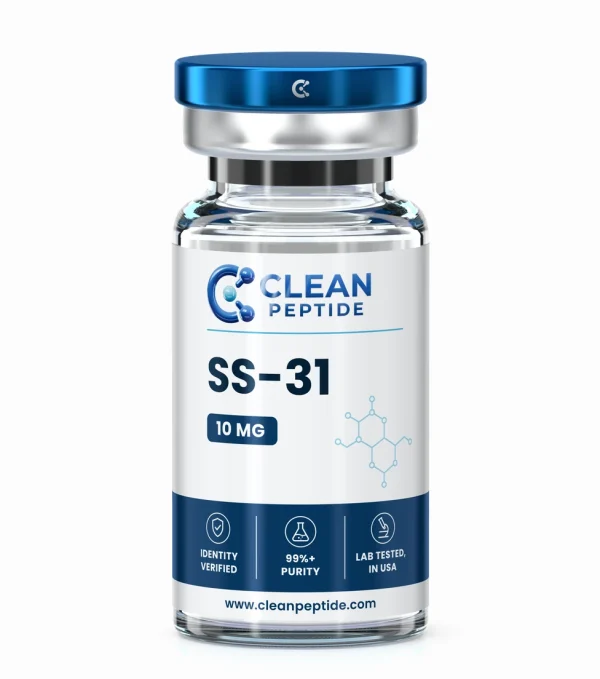 Longevity & Mitochondrial Peptides
SS-31
Original price was: $92.55.$64.79Current price is: $64.79.Learn more about SS-31 -
Research use only−30%
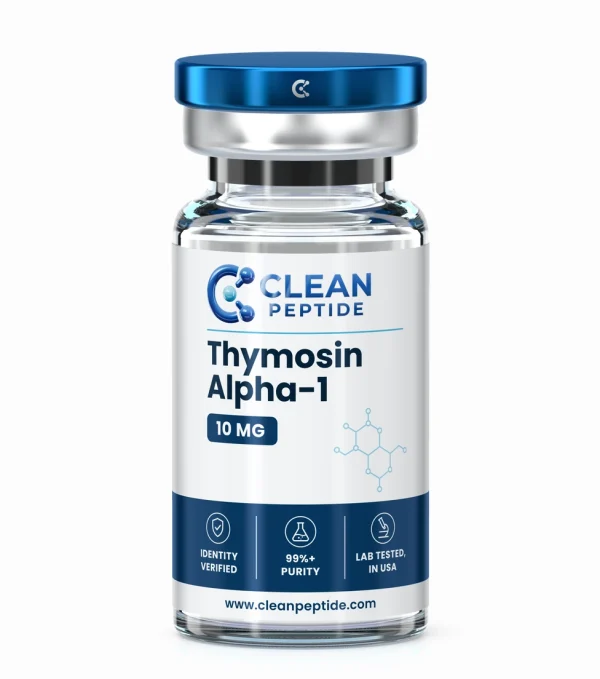 Longevity & Mitochondrial Peptides
Thymosin Alpha-1
Original price was: $234.00.$163.80Current price is: $163.80.Learn more about Thymosin Alpha-1


About Longevity & Mitochondrial Peptides
This category groups the catalogue’s mitochondrial peptides with the other cellular research peptides it stocks. Two act at mitochondria: SS-31, also published as elamipretide (CAS 736992-21-5), a tetrapeptide that binds cardiolipin in the inner mitochondrial membrane, which received FDA accelerated approval in September 2025 for one rare disease, Barth syndrome; and MOTS-c, a 16-residue peptide encoded in mitochondrial DNA itself. Epithalon (Epitalon) is the tetrapeptide Ala-Glu-Asp-Gly (CAS 307297-39-8), studied in telomerase and melatonin research. Thymosin alpha-1 (thymalfasin, CAS 62304-98-7) is a 28-residue thymic peptide studied in immunology, and PNC-27 is a 32-residue peptide joining a p53 segment to a membrane-binding leader, studied in cell-membrane models.
All five are supplied as lyophilized powder in sealed vials, stored at -20 °C and protected from light, with a certificate of analysis issued for the lot in the vial: ILS Laboratories full panels for SS-31, MOTS-c, Thymosin Alpha-1 and PNC-27, and a certificate on file for Epithalon. For laboratory research use only. Not for human or veterinary use. 21+.
Related: SS-31 (elamipretide) MOTS-c Epithalon (Epitalon, AEDG) Thymosin Alpha-1 PNC-27 Peptide testing: what each test shows How to read a peptide COA
Common questions
What does the Longevity & Mitochondrial Peptides category cover?
Five compounds: SS-31 and MOTS-c, which act at or come from mitochondria; Epithalon, a pineal tetrapeptide; Thymosin Alpha-1, a thymic peptide; and PNC-27, a p53-derived peptide. “Longevity” refers to the ageing-biology literature several of them appear in, such as telomerase and mitochondrial research, not to any effect.
What are mitochondrial peptides?
Peptides studied for what they do at or inside mitochondria. Two kinds are listed here: SS-31, a synthetic tetrapeptide that binds cardiolipin in the inner mitochondrial membrane, and MOTS-c, one of the mitochondrial-derived peptides, which are encoded in mitochondrial DNA rather than in the cell nucleus.
Is SS-31 the same compound as elamipretide?
Yes. SS-31 and elamipretide are two names for the same tetrapeptide, D-Arg-dimethylTyr-Lys-Phe-NH2, reported under CAS 736992-21-5. SS-31 is the laboratory designation used in the original published work; elamipretide is the International Nonproprietary Name assigned later. Certificates and vial labels in this catalogue use SS-31. Both names return the same compound in the literature.
Is it spelled epithalon or epitalon?
Both spellings appear in the literature and refer to the same synthetic tetrapeptide, Ala-Glu-Asp-Gly, abbreviated AEDG and reported under CAS 307297-39-8. “Epithalon” follows the transliteration of epithalamin, the pineal extract its amino-acid composition was modelled on. “Epitalon” is the shorter transliteration. This catalogue lists it as Epithalon; a search for either spelling reaches the same product.
What is documented for each lot?
Each lot ships against a certificate for its own fill. The ILS Laboratories full panel on SS-31, MOTS-c, Thymosin Alpha-1 and PNC-27 reports identity by HPLC, purity by HPLC, net peptide content against the labelled amount, a fentanyl screen, heavy metals by ICP-MS, sterility and endotoxin. The Epithalon certificate reports identity, HPLC purity and content. Each product page lists its lot’s results.
How do these compounds ship?
As lyophilized powder in a sealed vial, labelled with the lot number that matches its certificate, stored at -20 °C and protected from light. Laboratory research use only. Buyers must be 21 or older.