Tanning & Pigmentation Research Peptides
Explore tanning peptides for pigmentation research, studied in connection with the melanocortin system and melanin production. This collection includes Melanotan II, a synthetic cyclic analogue of alpha-melanocyte-stimulating hormone (α-MSH) studied for its activity at melanocortin receptors, including MC1R on melanocytes. Each product page shows the lot number, testing lab, HPLC purity and identity testing for every vial size, so you can review the documentation before you order. Every Clean Peptide reference material is supplied strictly for laboratory research and isn’t intended for human or veterinary consumption.
Showing the single result
-
Research use only−30%
 Neuropeptides
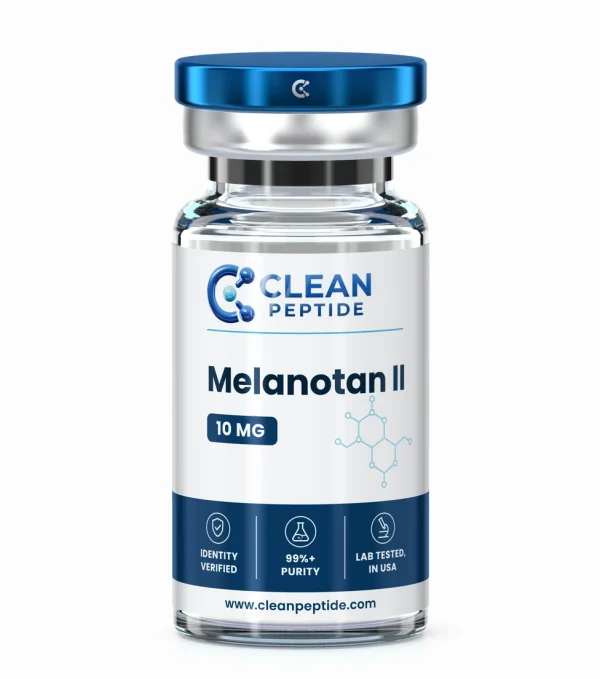
Melanotan II
Original price was: $60.00.$42.00Current price is: $42.00.Learn more about Melanotan II


About Tanning & Pigmentation Research Peptides
Know Which Receptors Melanotan II Acts On
Melanotan II is a seven-residue cyclic peptide built on the core sequence of α-MSH. It isn’t selective. It acts at several melanocortin receptors, including MC1R, MC3R, MC4R and MC5R. MC1R on melanocytes is the receptor linked to melanin production, while MC3R and MC4R are mostly studied in the brain. If your study is about pigmentation alone, account for that broader receptor activity in your design.
Don’t Confuse It With Melanotan I
Melanotan I, also called afamelanotide, is a different compound: a linear α-MSH analogue that’s more selective for MC1R. It’s the active ingredient in an FDA-approved prescription medicine. Melanotan II isn’t an approved drug, and the material sold here is research-grade only.
Check the Certificate for Your Exact Lot
A certificate of analysis only helps if it covers the material you’re buying. On the Clean Peptide product page, the certificate panel lists the lot number, testing lab, test date and HPLC purity. Keep the lot number with your lab records so your work can be traced back to a tested batch.
Read Identity, Purity and Content Separately
HPLC purity shows how much of what the instrument detects is the target peptide rather than related impurities. Identity testing confirms that peak is the right compound, and Clean Peptide’s certificates do this by HPLC retention-time match against a reference standard. Measured content tells you how many milligrams are actually in the vial.
If your study needs mass spectrometry identity data, contact Clean Peptide before ordering to confirm whether it’s available for that lot.
Check the Contaminant Screens
Purity doesn’t tell you what else is in the vial. The certificate panel also reports a fentanyl screen, heavy metals, sterility and endotoxin. Endotoxin deserves a close look for melanocyte and other cell-based work, since it can trigger cell responses that have nothing to do with the peptide.
Storage and Research-Use Terms
Melanotan II ships as lyophilised powder. Follow the storage conditions in the product’s spec table, which for lyophilised peptides on this site is −20 °C, protected from light. Clean Peptide sells only to buyers aged 21 and over, ships within the US, and supplies this material for in-vitro laboratory research only.
Common questions
What is a tanning peptide?
In research, “tanning peptide” usually means a peptide that acts on the melanocortin receptors involved in pigmentation. Most are analogues of alpha-melanocyte-stimulating hormone (α-MSH), such as Melanotan II.
How does Melanotan II work?
Melanotan II is an agonist at melanocortin receptors. At MC1R on melanocytes, this signalling is linked to increased production of eumelanin, the darker form of melanin. Because it also acts at MC3R, MC4R and MC5R, it’s studied in other research areas too.
What is the difference between Melanotan I and Melanotan II?
Melanotan I (afamelanotide) is a linear peptide that’s more selective for MC1R. Melanotan II is a shorter cyclic peptide that acts across several melanocortin receptors. They’re separate compounds with separate research literatures.
How can I check the purity of Melanotan II before buying?
Open the product page and look at the certificate panel. It shows the lot number, testing lab, test date, HPLC purity and measured content, plus identity by HPLC retention-time match and screens for fentanyl, heavy metals, sterility and endotoxin.