KPV vs BPC-157: What’s the Difference?
KPV and BPC-157 are both short research peptides studied in inflammation and tissue models, but they come from unrelated parent proteins and share no sequence.
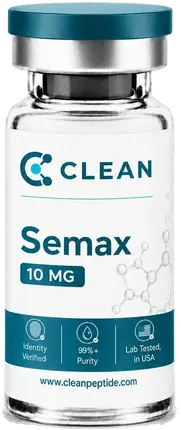
KPV is the tripeptide Lys-Pro-Val, the last three residues (11 to 13) of alpha-melanocyte-stimulating hormone (alpha-MSH). It weighs 342.43 g/mol.
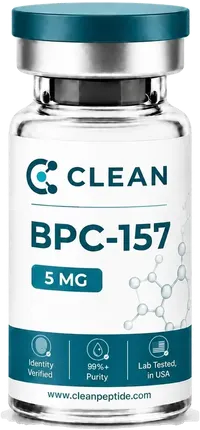
BPC-157 is a 15-residue peptide, GEPPPGKPADDAGLV, that its Zagreb discoverers described as a fragment of a larger protein isolated from human gastric juice. It weighs 1419.5 g/mol.
In short: one is a hormone's C-terminal tripeptide studied mostly in mouse colitis models; the other is a gastric-protein fragment studied mostly in rat tendon, gut and wound models.
KPV vs BPC-157 at a Glance
KPV is a 3-residue peptide (C16H30N4O4, 342.43 g/mol), the C-terminal end of alpha-MSH. BPC-157 is a 15-residue peptide (C62H98N16O22, 1419.5 g/mol) described as a fragment of a gastric-juice protein. They share no sequence and come from unrelated parent proteins.
| Comparison | KPV | BPC-157 |
|---|---|---|
| Peptide length | 3 amino acids | 15 amino acids |
| Molecular weight | 342.43 g/mol | 1419.5 g/mol |
| Sequence | KPV (Lys-Pro-Val) | GEPPPGKPADDAGLV |
| Molecular relationship | Residues 11-13 of alpha-MSH (from POMC) | Described as a fragment of a gastric-juice protein (BPC) |
| Main research focus | NF-κB signalling, PepT1 uptake, mouse colitis models | Tendon, gut, wound and vascular models |
| Research evidence | Cell and rodent studies; no published human studies | Mostly rat studies; small uncontrolled human reports |
What are KPV and BPC-157
3 AA
KPV
The C-terminal tripeptide of alpha-MSH, a 13-residue hormone cut from the pro-opiomelanocortin (POMC) precursor. Researchers in the 1980s found that this fragment carried much of alpha-MSH's anti-inflammatory activity in their models on its own.
Research areas
Neutrophil accumulation in mouse peritonitis • NF-κB and MAP-kinase signalling in intestinal cells • PepT1 transporter uptake • Mouse colitis models
In mouse studies its effect persisted with melanocortin receptors blocked or non-functional, so it probably does not act through those receptors (Getting et al., 2003). In intestinal cells it enters through PepT1, the di- and tripeptide transporter (Dalmasso et al., 2008).
Explore KPV15 AA
BPC-157
A synthetic linear pentadecapeptide with four prolines and free ends. In the early 1990s Predrag Sikirić's group at the University of Zagreb described BPC (body protection compound) from human gastric juice and BPC-157 as its fully characterised 15-residue fragment.
Research areas
Rat Achilles tendon models • Gut and wound models • VEGFR2 signalling in endothelial cells • Pharmacokinetics in rats and dogs
Almost all published BPC-157 research is animal work, most of it from the discovering group. A 2025 systematic review of musculoskeletal studies found 35 preclinical studies and one clinical one (Vasireddi et al.).
Explore BPC-157Alpha-MSH: 13 residuesResidues 11-13KPV: 3 AA
BPC-157 comes from a different source: a 15-residue sequence described as part of a gastric-juice protein
Key Differences Between KPV and BPC-157
| Key differences | KPV | BPC-157 |
|---|---|---|
| Origin | The C-terminal tripeptide of alpha-MSH, itself cut from the POMC precursor. |
Described as a fragment of BPC, a protein isolated from human gastric juice. |
| Size | 3 residues, 342.43 g/mol, free acid. In native alpha-MSH the valine is amidated, and some studies used capped analogues such as Ac-KPV-NH2. |
15 residues, 1419.5 g/mol, linear with free ends; also listed as an acetate salt (CAS 216441-37-1). |
| Where it is studied | Mostly mouse models of colitis and peritonitis, and intestinal and immune cell lines. |
Mostly rat models of tendon, ligament, gut, wound and vascular injury. |
| Research record | Cell and rodent studies; PubMed and ClinicalTrials.gov list no human studies. |
Mostly rat studies, plus small uncontrolled human reports from one US clinic group. |
| Certificates on file (October 2026) | KPV 10 mg, lot 202608KPV10, HYTE Research Division CLP#00007: 99.89% purity, 12.94 mg, identity by HPLC-DAD, endotoxin below 0.5 EU/mL, sterility and heavy metals passed. |
BPC-157 10 mg, lot ACE-1090357, ILS Laboratories: 99.56% purity, 10.64 mg, identity by HPLC-RTM, endotoxin 0.134 EU/mL, full QC panel. BPC-157 20 mg, lot ACE-0594510, Accurate Test Labs: 99.8%, 20.99 mg. |
How their research profiles differ
- KPV
- Alpha-MSH C-terminal tripeptide
- PepT1 uptake, NF-κB signalling
- Mouse colitis models
- BPC-157
- Gastric-juice protein fragment
- Tendon, gut and vascular models
- Mostly rat studies
KPV vs BPC-157: Which Is Better?
There is no basis for ranking them. They are unrelated molecules with separate research records, and a PubMed search in October 2026 found no study comparing them.
KPV is studied as a minimal hormone fragment that enters cells through a peptide transporter. BPC-157 is studied as a larger, proline-rich peptide in injury models. Which one fits depends on what a model is about.
Is the model about an alpha-MSH-derived tripeptide and its transport into cells, or about a gastric-protein fragment studied in tissue injury models?
Can KPV and BPC-157 Be Studied Together?
They can be separate arms of the same study, since they are different molecules. A PubMed search in October 2026 found no published study that combined them.
Clean Peptide sells each as its own lyophilised vial, and also sells KLOW, a blend of KPV, BPC-157, GHK-Cu and TB-500 with its own certificate. Our KLOW COA guide sets out that certificate component by component.
There Isn’t One Universal “Winner”
KPV
Alpha-MSH tripeptide
3 AA • cell and mouse colitis models
BPC-157
Gastric-juice peptide fragment
15 AA • rat tissue injury models
Compare the Research. Verify the Material.
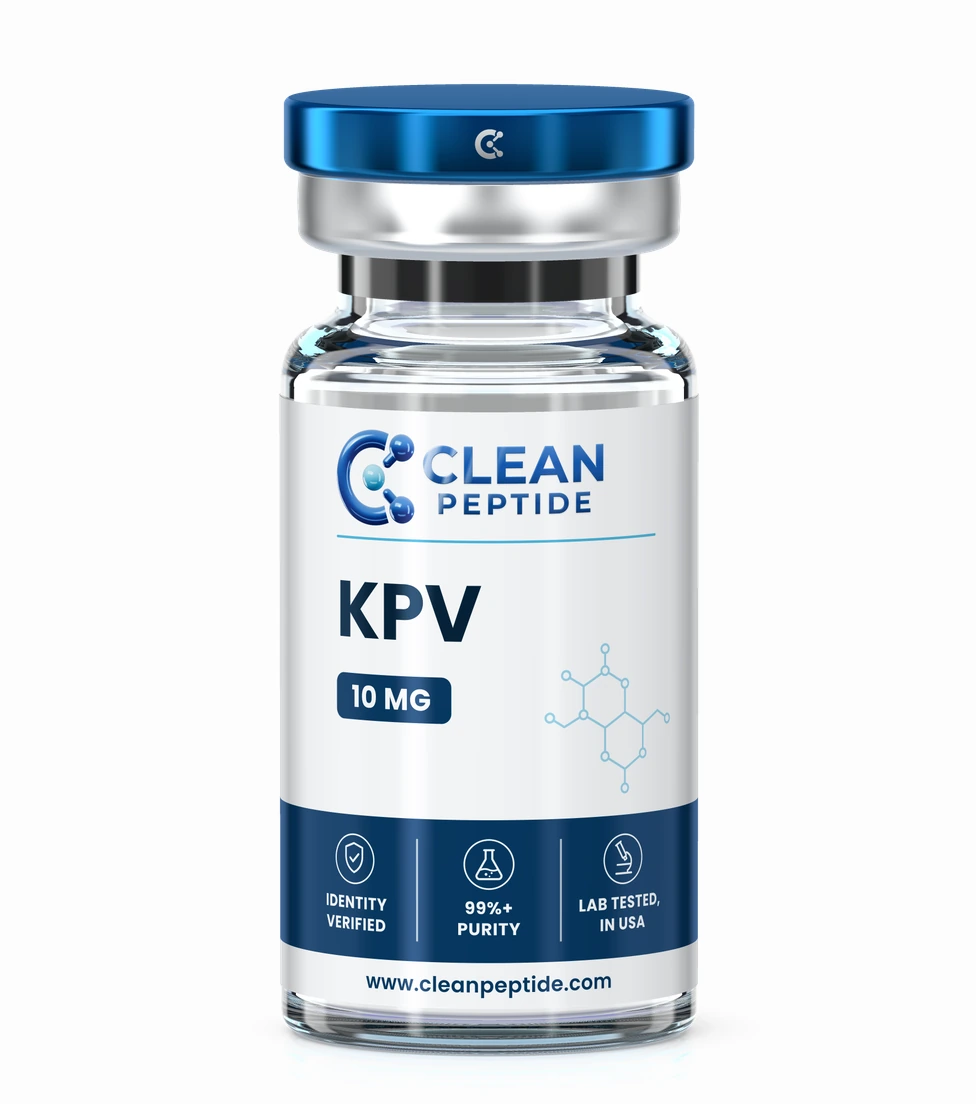
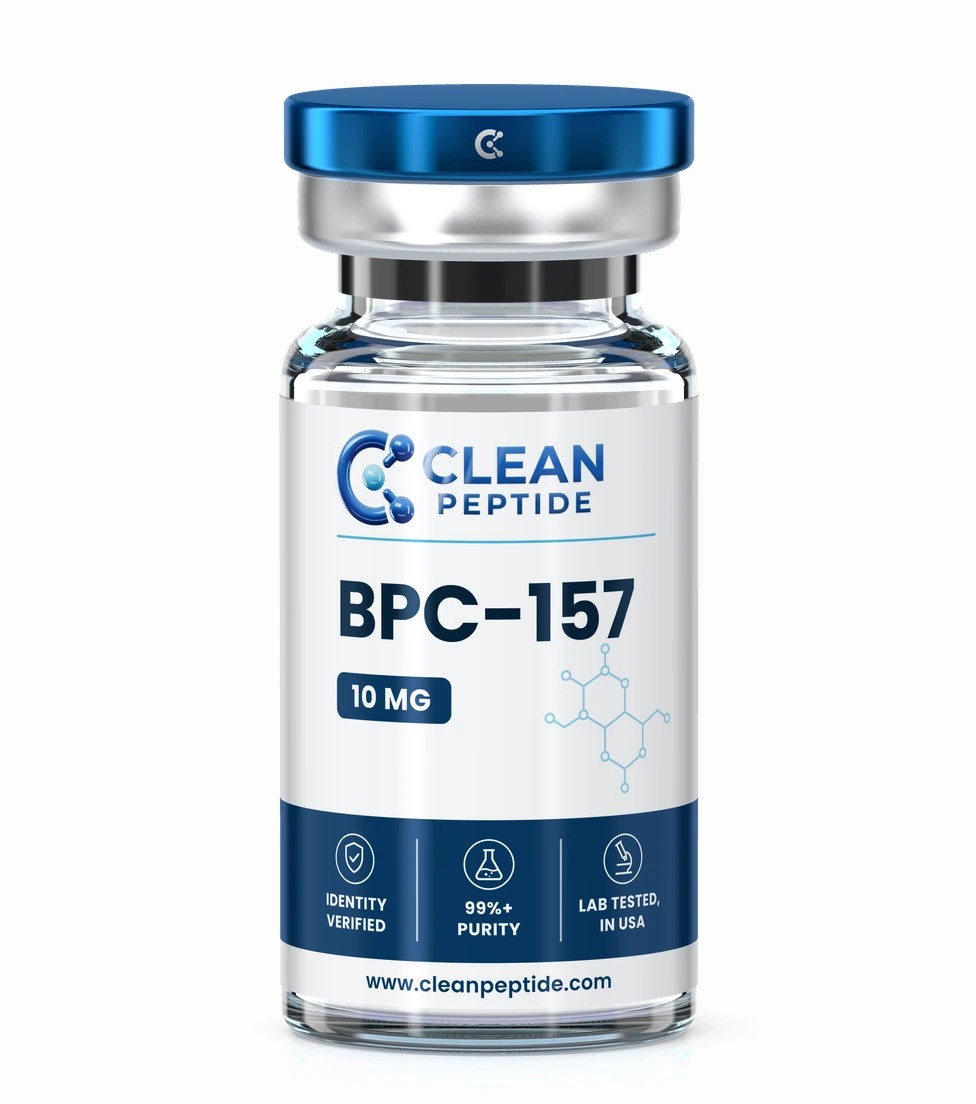
Clean Peptide stocks KPV as a 10 mg lyophilised vial and BPC-157 as 10 mg and 20 mg vials. Each size ships against the certificate for its own lot: HYTE Research Division for KPV, ILS Laboratories for BPC-157 10 mg and Accurate Test Labs for BPC-157 20 mg.
Each lot's certificate is on the product page and in the COA library.
 Research use only
 Identity
verified Purity
verified
 Research use only
- Identity
verified - Purity
verified
Question
Frequently Asked
What is the difference between KPV and BPC-157?
KPV is the tripeptide Lys-Pro-Val, residues 11-13 of alpha-MSH. BPC-157 is a 15-residue peptide, GEPPPGKPADDAGLV, described as a fragment of a gastric-juice protein. They share no sequence.
Is KPV a fragment of BPC-157?
No. KPV comes from alpha-melanocyte-stimulating hormone; BPC-157 comes from a gastric-juice protein. The two parent proteins are unrelated.
How big are KPV and BPC-157?
KPV has 3 residues and weighs 342.43 g/mol (C16H30N4O4). BPC-157 has 15 residues and weighs 1419.5 g/mol (C62H98N16O22).
Does KPV act on melanocortin receptors?
Probably not. In mouse studies its effect persisted with melanocortin receptors blocked or non-functional (Getting et al., 2003). In intestinal cells it is taken up by the PepT1 transporter.
Have KPV and BPC-157 been studied together?
A PubMed search in October 2026 found no study that compared or combined them. Both are components of the KLOW blend, which has its own certificate.
What do the KPV and BPC-157 certificates show?
October 2026: KPV 10 mg 99.89% purity and 12.94 mg (HYTE Research Division); BPC-157 10 mg 99.56% and 10.64 mg (ILS Laboratories); BPC-157 20 mg 99.8% and 20.99 mg (Accurate Test Labs).
Research Peptides. Documented by Batch.
Every size in the catalogue ships against the certificate issued for its own lot.
For laboratory research use only. Not for human or veterinary use.
References
Identity data come from PubChem, UniProt and the FDA substance registry, as listed on our product pages. Study descriptions follow the PubMed abstracts.
- Hiltz ME, et al. Antiinflammatory activity of a COOH-terminal fragment of the neuropeptide alpha-MSH FASEB Journal, 1989. The early KPV paper, in a mouse ear-swelling model.
- Getting SJ, et al. Dissection of the anti-inflammatory effect of the core and C-terminal (KPV) alpha-melanocyte-stimulating hormone peptides Journal of Pharmacology and Experimental Therapeutics, 2003. Melanocortin receptors not required in mouse models.
- Dalmasso G, et al. PepT1-mediated tripeptide KPV uptake reduces intestinal inflammation Gastroenterology, 2008. PepT1 uptake and NF-κB signalling in cells and mice.
- Sikirić P, et al. A new gastric juice peptide, BPC. An overview of the stomach-stress-organoprotection hypothesis and beneficial effects of BPC Journal of Physiology (Paris), 1993. The discovering group's description of BPC and BPC-157.
- Vasireddi N, et al. Emerging Use of BPC-157 in Orthopaedic Sports Medicine: A Systematic Review HSS Journal, 2025. 35 preclinical studies and one clinical study.