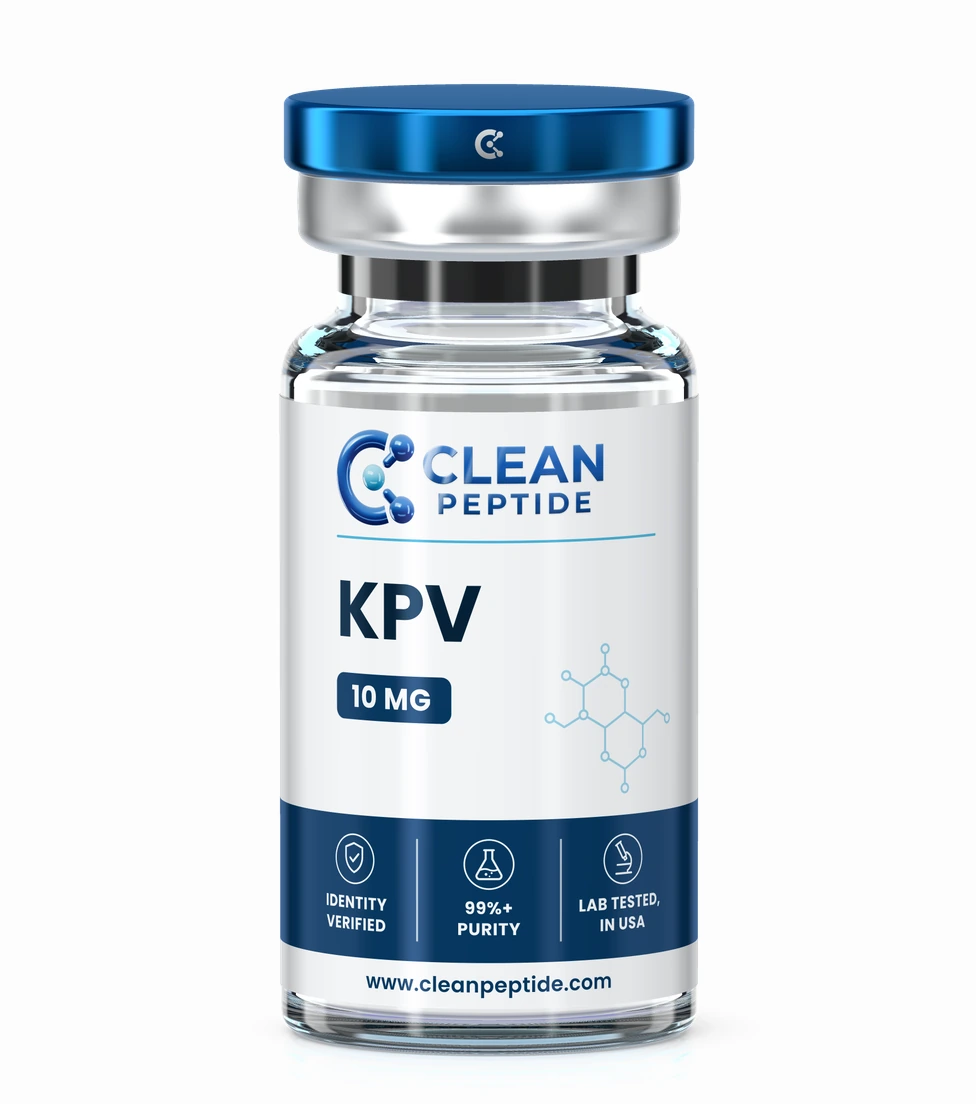


KPV Lys-Pro-Val
KPV is the tripeptide Lys-Pro-Val: residues 11–13 of alpha-melanocyte-stimulating hormone (α-MSH), studied for anti-inflammatory signalling in cell and mouse models. This KPV peptide is a 10 mg lyophilised vial with a certificate for its lot.
- Order within 16h 15m · ships TueCutoff 3:00 PM ET (12:00 PM PT)
- Arrives Thu, Oct 29 – Tue, Nov 3Free standard shipping on orders over $100
- Free shipment protectionLost, stolen, or damaged? We replace it, on us.
- Overnight and 2-day optionsPick your speed at checkout
- We acceptSecure 256-bit checkout
Verified test results
Every batch, independently verified.
Each batch is analyzed by an independent third-party laboratory before it ships. This is the released report for the size selected above, exactly as the lab issued it.
Certificate of analysis
99.89%
Purity by HPLC
- Lot
- 202608KPV10
- Tested
- Aug 27, 2026
- Labeled
- 10mg
What is KPV?
KPV is the last three amino acids of alpha-MSH, a 13-residue hormone cut from the pro-opiomelanocortin (POMC) precursor. Researchers in the 1980s found that this C-terminal fragment carried much of alpha-MSH’s anti-inflammatory and antipyretic activity on its own, and later work proposed it as an alternative to the full hormone because it does not share alpha-MSH’s pigmentary action.
How KPV works is still not settled. In mouse peritonitis it reduced neutrophil accumulation even when melanocortin receptors were blocked or non-functional, and it did not raise cAMP in macrophages the way alpha-MSH does, so the authors concluded it probably does not act through the melanocortin receptors at all. In intestinal cells it is taken up by PepT1, the di- and tripeptide transporter, and inhibits NF-κB and MAP-kinase signalling.
KPV identity
| Names | KPV, Lys-Pro-Val, alpha-MSH(11-13), L-lysyl-L-prolyl-L-valine |
|---|---|
| Sequence | KPV (H-Lys-Pro-Val-OH) |
| Molecular formula | C16H30N4O4 |
| Molecular weight | 342.43 g/mol |
| CAS number | 67727-97-3 |
| PubChem CID | 125672 |
| Parent protein | POMC, UniProt P01189 (alpha-MSH = residues 138–150; KPV = 148–150) |
| This product | 10 mg, lyophilised powder |
In native alpha-MSH the final valine is amidated; KPV as registered in PubChem and by FDA is the free acid. Some studies used capped analogues such as Ac-KPV-NH2, so check which form a paper tested.
Certificate for the current lot
The current KPV lot, 202608KPV10, was analysed by HYTE Research Division on 27 August 2026. The certificate reports HPLC purity and measured content, as transcribed below:
| Size | Lot | Laboratory | Analysed | HPLC purity | Measured content |
|---|---|---|---|---|---|
| 10mg | HYTE Research Division | 27 Aug 2026 | 99.89% | 12.94mg |
Transcribed from the certificate issued for each size on sale today. Open the signed certificate for any size under Verified test results above. Every KPV COA, lot by lot
The same certificate reports identity confirmed by HPLC-DAD, heavy metals not detected, no growth on sterility testing and endotoxin below 0.5 EU/mL. Measured content was 12.94 mg against a 10 mg label.
Published research on KPV
All published KPV research is in cells and rodents, much of it in mouse models of colitis. PubMed and ClinicalTrials.gov list no human studies, and FDA’s 2026 evaluation found none.
- Anti-inflammatory activity (mice, 1989). Alpha-MSH(11-13) inhibited picryl chloride-induced ear swelling in a dose-related way. Antiinflammatory activity of a COOH-terminal fragment of the neuropeptide alpha-MSH. Hiltz ME, et al. FASEB Journal, 1989.
- Not through melanocortin receptors (mice, 2003). KPV reduced neutrophil accumulation in peritonitis models, an effect not blocked by an MC3/4 antagonist and still present in mice without functional MC1R. Dissection of the anti-inflammatory effect of the core and C-terminal (KPV) alpha-melanocyte-stimulating hormone peptides. Getting SJ, et al. Journal of Pharmacology and Experimental Therapeutics, 2003.
- PepT1 uptake and colitis (cells and mice, 2008). At nanomolar concentrations KPV inhibited NF-κB and MAP-kinase signalling and cytokine secretion in intestinal and T-cell lines, entered cells through PepT1, and given orally reduced DSS- and TNBS-induced colitis in mice. PepT1-mediated tripeptide KPV uptake reduces intestinal inflammation. Dalmasso G, et al. Gastroenterology, 2008.
- Colitis models, MC1R-independent (mice, 2008). KPV-treated mice recovered earlier from DSS and T-cell-transfer colitis; in MC1R-deficient mice the effect persisted. Melanocortin-derived tripeptide KPV has anti-inflammatory potential in murine models of inflammatory bowel disease. Kannengiesser K, et al. Inflammatory Bowel Diseases, 2008.
- Nanoparticle delivery (mice, 2010 and 2017). KPV loaded into colon-targeted nanoparticles in a polysaccharide hydrogel protected DSS-treated mice at a concentration about 12,000-fold lower than free KPV; hyaluronic-acid-functionalised particles improved targeting further. Laroui H, et al. Gastroenterology, 2010; Xiao B, et al. Molecular Therapy, 2017.
- Review (2008). Alpha-MSH and its related tripeptides, including KPV and KdPT, in inflammation research. Alpha-melanocyte-stimulating hormone and related tripeptides: biochemistry, antiinflammatory and protective effects in vitro and in vivo, and future perspectives for the treatment of immune-mediated inflammatory diseases. Brzoska T, et al. Endocrine Reviews, 2008.
Regulatory status
KPV is not an approved drug. FDA placed it in its compounding safety-risk category in September 2023; the category page now lists it among nominated-but-withdrawn substances and states that FDA has found no human exposure data. At its July 2026 Pharmacy Compounding Advisory Committee meeting FDA proposed not adding KPV to the 503A bulks list; press reports say the committee voted 8–6 in favour of adding it, a non-binding recommendation. FDA compounding safety-risk list. Clean Peptide’s KPV is a laboratory reference material only.
Related research
- KLOW: KPV blended with GHK-Cu, BPC-157 and TB-500.
- Melanotan II and PT-141: cyclic alpha-MSH analogues that do act on melanocortin receptors.
- BPC-157 and Thymosin Alpha-1: other peptides in inflammation and repair research.
- How to read a peptide certificate of analysis.
What is on file, and how it is handled
Every figure below is transcribed from the paperwork for this compound.
Material
- Compound
- KPV
- Class
- Alpha-MSH C-terminal tripeptide
- Form
- Lyophilised powder
- Sizes
- 10mg
- Sequence
- KPV (H-Lys-Pro-Val-OH)
- Formula
- C16H30N4O4
- CAS
- 67727-97-3
- Mol. weight
- 342.43 g/mol
- Residues
- 3
Verification
- Identity
- Confirmed on the certificate of analysis
- Purity
- ≥ 99.89% by HPLCSee certificate
- Batch
- 202608KPV10See certificate
- Documentation
- Per-batch certificate of analysis
Handling
- Storage
- Store at −20 °C, protected from light
- Intended use
- In-vitro laboratory research only
QuestionsKPV: frequently asked
What is KPV peptide?+
KPV is the tripeptide Lys-Pro-Val, residues 11-13 of alpha-melanocyte-stimulating hormone (alpha-MSH). It is studied for anti-inflammatory signalling in cell and mouse models.
What is the KPV molecular weight and formula?+
C16H30N4O4, 342.43 g/mol (PubChem CID 125672). The CAS number is 67727-97-3.
Does KPV act on melanocortin receptors?+
Probably not. In mouse studies its anti-inflammatory effect persisted with melanocortin receptors blocked or non-functional, and it did not raise cAMP in macrophages as alpha-MSH does.
How does KPV get into cells?+
In intestinal epithelial and immune cells, KPV uptake was mediated by PepT1, the di- and tripeptide transporter (Dalmasso et al., Gastroenterology, 2008).
Has KPV been studied in humans?+
No published human study of KPV exists, and ClinicalTrials.gov lists none. The research is in cells and rodents, mostly mouse colitis models.
What does the KPV certificate show?+
Lot 202608KPV10, analysed by HYTE Research Division on 27 August 2026: 99.89% HPLC purity, 12.94 mg measured against a 10 mg label, identity confirmed by HPLC-DAD.
Related products
-
Research use only−30%
 Healing Research Peptides
BPC-157 / TB-500 Blend
Original price was: $77.99.$54.59Current price is: $54.59.Learn more about BPC-157 / TB-500 Blend -
Research use only−30%
 Healing Research Peptides
BPC-157
Original price was: $64.39.$45.07Current price is: $45.07.Learn more about BPC-157 -
Research use only−30%
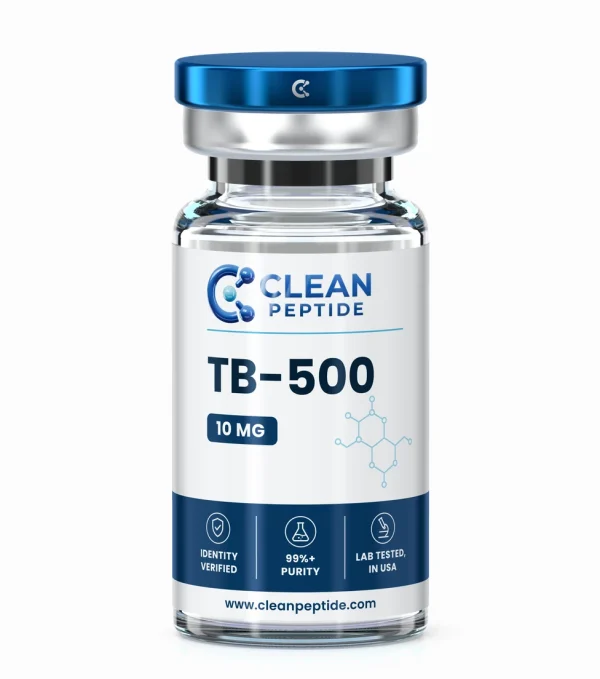 Healing Research Peptides
TB-500
Original price was: $168.00.$117.60Current price is: $117.60.Learn more about TB-500 -
Research use only−30%
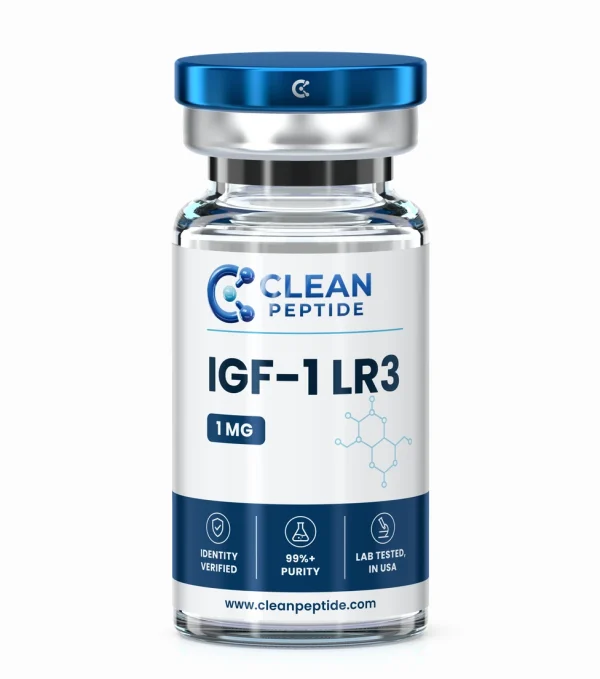 Growth Hormone & IGF Peptides
IGF-1 LR3
Original price was: $134.54.$94.18Current price is: $94.18.Learn more about IGF-1 LR3