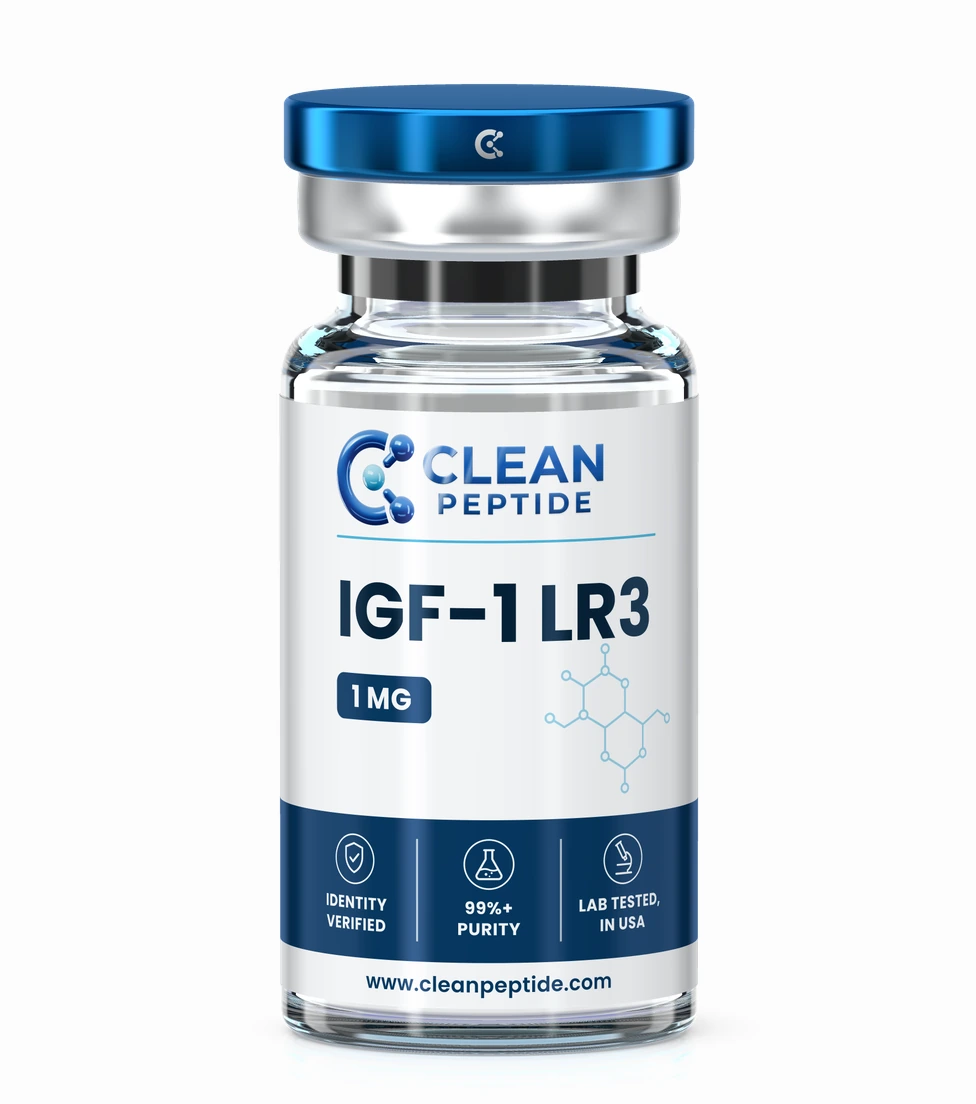


IGF-1 LR3 Long R3 IGF-1
IGF-1 LR3 (Long R3 IGF-I) is an 83-residue recombinant analogue of insulin-like growth factor I that binds the IGF-binding proteins far less than native IGF-I does. Clean Peptide supplies it as a 1 mg lyophilised vial with an ILS Laboratories certificate.
- Order within 15h 46m · ships TueCutoff 3:00 PM ET (12:00 PM PT)
- Arrives Thu, Oct 29 – Tue, Nov 3Free standard shipping on orders over $100
- Free shipment protectionLost, stolen, or damaged? We replace it, on us.
- Overnight and 2-day optionsPick your speed at checkout
- We acceptSecure 256-bit checkout
Verified test results
Every batch, independently verified.
Each batch is analyzed by an ISO/IEC 17025 accredited third-party laboratory before it ships. This is the released report for the size selected above, exactly as the lab signed it.
Certificate of analysis
99.90%
Purity by HPLC
- Lot
- ACE-1279625
- Tested
- Sep 9, 2026
- Labeled
- 1mg
- Measured
- 1.03mg
Full QC panel
5 passed · 2 reportedPurity
HPLC · spec ≥ 95.0%
Net peptide content
Identity
HPLC-RTM
Fentanyl screen
Heavy metals
ICP-MS
Sterility
PCR
Endotoxin
USP <85>
What is IGF-1 LR3?
Native mature human IGF-I is a 70-residue protein. Long R3 IGF-I makes two deliberate changes to it. “R3” is the substitution of arginine for glutamate at position 3 of the IGF-I sequence. “Long” is a 13-residue N-terminal extension: the first 11 amino acids of methionyl porcine growth hormone followed by Val-Asn. Together they give 83 residues.
Both changes reduce binding to the IGF-binding proteins (IGFBPs) that normally hold most circulating IGF-I. In rat studies, native IGF-I had roughly 1,000 times the affinity of LR3 IGF-I for IGFBP-3 and IGFBP-4, while LR3 IGF-I bound the type 1 IGF receptor about three times less well than IGF-I. The molecule was described in 1992 by Francis, Ballard, Wallace and colleagues in Adelaide, and it is produced recombinantly in E. coli.
IGF-1 LR3 identity
| Names | IGF-1 LR3, Long R3 IGF-I, LR3IGF-I, Long [Arg3]-IGF-I |
|---|---|
| Length | 83 residues (13-residue extension + IGF-I with Glu3→Arg) |
| Sequence | MFPAMPLSSLFVNGPRTLCGAELVDALQFVCGDRGFYFNKPTGYGSSSRRAPQTGIVDECCFRSCDLRRLEMYCAPLKPAKSA |
| Disulfide bonds | Cys19–Cys61, Cys31–Cys74, Cys60–Cys65 |
| Molecular weight | About 9.1 kDa |
| CAS number | 143045-27-6 |
| Parent protein | Human IGF-I, UniProt P05019 |
| Target | Type 1 IGF receptor (IGF-1R), agonist; very weak IGFBP binding |
| This product | 1 mg, lyophilised powder |
Sequence, disulfides and CAS from the FDA substance registry (GSRS UNII M9L22Y19H9). There is no PubChem compound record for this protein, and no authoritative source states a single molecular formula, so none is given here.
Certificate for the current lot
The current IGF-1 LR3 lot was analysed by ILS Laboratories in San Diego, which states ISO/IEC 17025 accreditation for activities within its published scope:
| Size | Lot | Laboratory | Analysed | HPLC purity | Measured content | Identity |
|---|---|---|---|---|---|---|
| 1mg | ILS Laboratories | 9 Sep 2026 | 99.90% | 1.03 mg | Confirmed |
Transcribed from the certificate issued for each size on sale today. Open the signed certificate for any size under Verified test results above. Every IGF-1 LR3 COA, lot by lot
Published research on IGF-1 LR3
- Design and potency in cells (1992). In L6 myoblasts, all the IGF-I fusion analogues were more potent than IGF-I on protein and DNA synthesis. In cells lacking detectable IGFBPs, Long [Arg3]-IGF-I was less potent than IGF-I, which the authors attribute to its reduced IGFBP interaction. Novel recombinant fusion protein analogues of insulin-like growth factor (IGF)-I indicate the relative importance of IGF-binding protein and receptor binding for enhanced biological potency. Francis GL, et al. Journal of Molecular Endocrinology, 1992.
- Catabolic rat model (1992). In dexamethasone-treated rats, LR3 IGF-I and des(1-3)IGF-I were about 2.5 times as potent as IGF-I on body weight and nitrogen retention, despite LR3 IGF-I’s weaker receptor binding. Insulin-like growth factor-I (IGF-I) and especially IGF-I variants are anabolic in dexamethasone-treated rats. Tomas FM, et al. Biochemical Journal, 1992.
- Growing female rats (1993). LR3 IGF-I was substantially more potent than IGF-I on body-weight gain, nitrogen retention and food conversion efficiency over 14 days. Anabolic effects of insulin-like growth factor-I (IGF-I) and an IGF-I variant in normal female rats. Tomas FM, et al. Journal of Endocrinology, 1993.
- Binding proteins and clearance (1993). LR3 IGF-I was cleared from rat plasma much faster than IGF-I, which the authors attribute to its poor association with plasma IGFBPs. Effects of interactions between IGFBPs and IGFs on the plasma clearance and in vivo biological activities of IGFs and IGF analogs. Ballard FJ, et al. Growth Regulation, 1993.
- Glucose in pigs and marmosets (1997). IGF-I variants with low IGFBP affinity, including LR3 IGF-I in pigs, lowered plasma glucose two to three times as potently as IGF-I and for longer. IGF-I variants which bind poorly to IGF-binding proteins show more potent and prolonged hypoglycaemic action than native IGF-I in pigs and marmoset monkeys. Tomas FM, et al. Journal of Endocrinology, 1997.
- Dystrophic muscle (mice, 2008). Four weeks of an IGF-I analogue with reduced IGFBP affinity lowered force deficits after lengthening contractions in muscles of dystrophic mdx mice. Insulin-like growth factor-I analogue protects muscles of dystrophic mdx mice from contraction-mediated damage. Gehrig SM, et al. Experimental Physiology, 2008.
ClinicalTrials.gov lists no human trials of LR3 IGF-I.
Regulatory status
LR3 IGF-I has never been approved for use in humans, and IGF-I analogues are prohibited in sport. The FDA-approved IGF-I product is a different molecule, mecasermin (Increlex). Mongongu C, et al. Drug Testing and Analysis, 2021. Clean Peptide’s IGF-1 LR3 is a laboratory reference material only.
Related research
- Tesamorelin and CJC-1295: GHRH analogues, upstream of IGF-I in the growth-hormone axis.
- Tesamorelin vs ipamorelin and tesamorelin vs sermorelin.
- Growth hormone and IGF peptides in the catalogue.
- How to read a peptide certificate of analysis.
What is on file, and how it is handled
Every figure below is transcribed from the paperwork for this compound.
Material
- Compound
- IGF-1 LR3
- Class
- Recombinant IGF-I analogue
- Form
- Lyophilised powder
- Sizes
- 1mg
- Sequence
- MFPAMPLSSLFVNGPRTLCGAELVDALQFVCGDRGFYFNKPTGYGSSSRRAPQTGIVDECCFRSCDLRRLEMYCAPLKPAKSA
- CAS
- 143045-27-6
- Mol. weight
- about 9.1 kDa
- Residues
- 83
Verification
- Identity
- Confirmed on the certificate of analysis
- Purity
- ≥ 99.90% by HPLCSee certificate
- Batch
- ACE-1279625See certificate
- Documentation
- Per-batch certificate of analysis
Handling
- Storage
- Store at −20 °C, protected from light
- Intended use
- In-vitro laboratory research only
QuestionsIGF-1 LR3: frequently asked
What is IGF-1 LR3?+
IGF-1 LR3 (Long R3 IGF-I) is an 83-residue recombinant analogue of human insulin-like growth factor I, with a 13-residue N-terminal extension and arginine in place of glutamate at position 3.
What does LR3 stand for?+
“Long” for the 13-residue N-terminal extension and “R3” for the arginine substitution at position 3 of the IGF-I sequence.
How is IGF-1 LR3 different from IGF-1?+
It is 83 residues instead of 70 and binds the IGF-binding proteins much less: in rat studies native IGF-I had about 1,000-fold higher affinity for IGFBP-3 and IGFBP-4. It binds the IGF-1 receptor about three times less well.
What is the IGF-1 LR3 molecular weight?+
About 9.1 kDa. No authoritative source states a single molecular formula for it.
What is the CAS number for IGF-1 LR3?+
CAS 143045-27-6, from the FDA substance registry (GSRS UNII M9L22Y19H9).
Is IGF-1 LR3 approved for human use?+
No. It has never been approved for use in humans, and IGF-I analogues are prohibited in sport. The approved IGF-I drug, mecasermin, is a different molecule.
Related products
-
Research use only−30%
 Healing Research Peptides
BPC-157 / TB-500 Blend
Original price was: $77.99.$54.59Current price is: $54.59.Learn more about BPC-157 / TB-500 Blend -
Research use only−30%
 Healing Research Peptides
TB-500
Original price was: $168.00.$117.60Current price is: $117.60.Learn more about TB-500 -
Research use only−30%
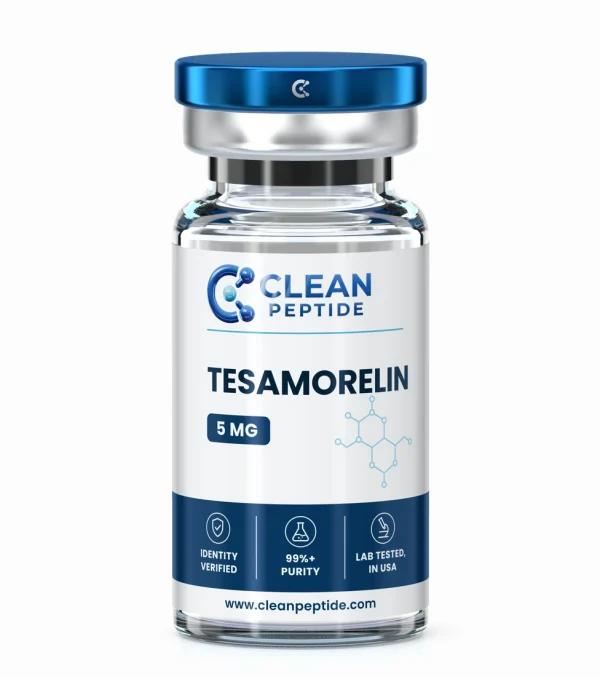 Growth Hormone & IGF Peptides
TESAMORELIN
Original price was: $120.00.$84.00Current price is: $84.00.Learn more about TESAMORELIN -
Research use only−30%
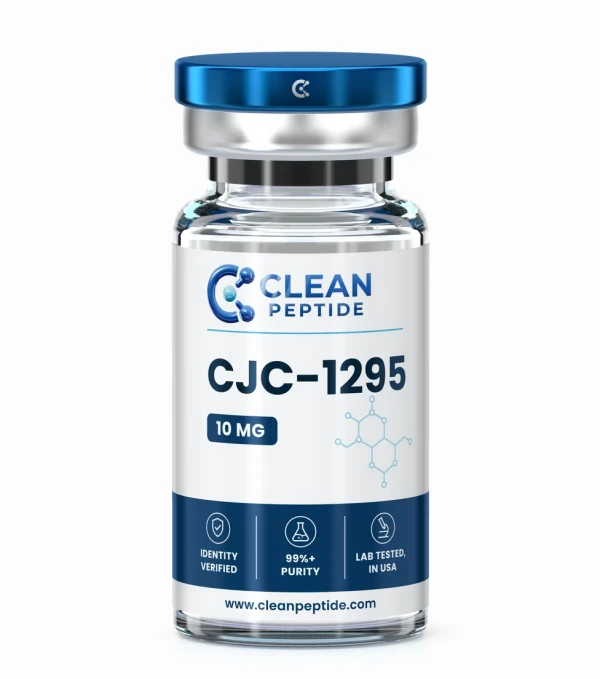 Growth Hormone & IGF Peptides
CJC-1295
Original price was: $99.99.$69.99Current price is: $69.99.Learn more about CJC-1295