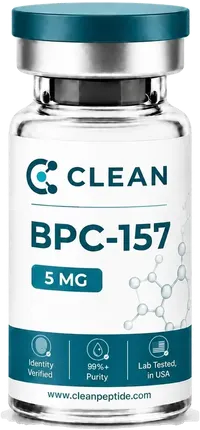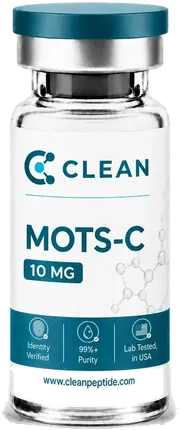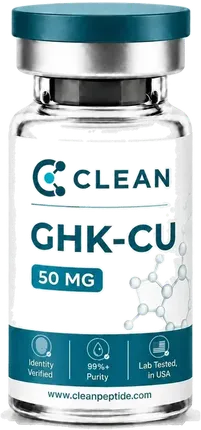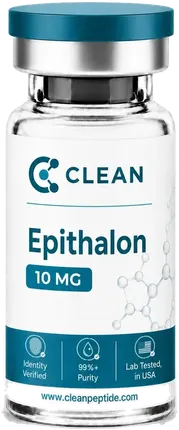
A COA can show more than 10 mg in a 10 mg vial because the label states a nominal amount and the certificate reports what the laboratory measured in the vial it tested. On the 27 Clean Peptide lyophilised lots compared below (October 2026), every one measured above its label: 26 between 103.0% and 107.3%, and one, KPV, at 129.4%. A content figure above the label is not a purity figure, and none of these certificates sets an upper limit for it.
This page sets out the measured content against the label for those lots, explains what the number is and what it is not, and covers the spray bottles, where two of five measured slightly under their nominal amount. For the difference between purity and content in general, see peptide testing.
Measured content against the label (October 2026)
| Product | Label | Lot | Laboratory | Measured | Against label |
|---|---|---|---|---|---|
| BPC-157 | 10 mg |
ILS Laboratories |
10.64 mg |
106.4% |
|
| BPC-157 | 20 mg |
Accurate Test Labs |
20.99 mg |
105.0% |
|
| BPC-157 / TB-500 Blend | 10 mg |
ILS Laboratories |
10.49 mg (5.25 + 5.25) |
104.9% |
|
| BPC-157 / TB-500 Blend | 20 mg |
ILS Laboratories |
20.9 mg (10.45 + 10.45) |
104.5% |
|
| Epithalon | 10 mg |
Nexus Scientific |
10.44 mg |
104.4% |
|
| GHK-Cu | 50 mg |
ILS Laboratories |
53.61 mg |
107.2% |
|
| GHK-Cu | 100 mg |
ILS Laboratories |
105.86 mg |
105.9% |
|
| GLP-2 Tirz | 20 mg |
HYTE Research Division |
21.23 mg |
106.2% |
|
| GLP-3 Reta | 10 mg |
ILS Laboratories |
10.72 mg |
107.2% |
|
| GLP-3 Reta | 20 mg |
ILS Laboratories |
21.37 mg |
106.9% |
|
| GLP-3 Reta | 30 mg |
ILS Laboratories |
32.2 mg |
107.3% |
|
| IGF-1 LR3 | 1 mg |
ILS Laboratories |
1.03 mg |
103.0% |
|
| KPV | 10 mg |
HYTE Research Division |
12.94 mg |
129.4% |
|
| Melanotan II | 10 mg |
ILS Laboratories |
10.66 mg |
106.6% |
|
| MOTS-c | 10 mg |
ILS Laboratories |
10.72 mg |
107.2% |
|
| MOTS-c | 40 mg |
ILS Laboratories |
42.7 mg |
106.8% |
|
| PNC-27 | 5 mg |
ILS Laboratories |
5.18 mg |
103.6% |
|
| PNC-27 | 10 mg |
ILS Laboratories |
10.68 mg |
106.8% |
|
| Selank | 10 mg |
ILS Laboratories |
10.4 mg |
104.0% |
|
| Semax | 10 mg |
ILS Laboratories |
10.61 mg |
106.1% |
|
| SS-31 | 10 mg |
ILS Laboratories |
10.72 mg |
107.2% |
|
| SS-31 | 50 mg |
ILS Laboratories |
51.82 mg |
103.6% |
|
| Survodutide | 10 mg |
ILS Laboratories |
10.44 mg |
104.4% |
|
| TB-500 | 10 mg |
ILS Laboratories |
10.31 mg |
103.1% |
|
| Tesamorelin | 5 mg |
ILS Laboratories |
5.21 mg |
104.2% |
|
| Tesamorelin | 10 mg |
ILS Laboratories |
10.51 mg |
105.1% |
|
| Thymosin Alpha-1 | 10 mg |
ILS Laboratories |
10.66 mg |
106.6% |
Transcribed in October 2026 from the certificate for each lot, as shown on its lot page. ILS Laboratories calls the figure “Net Peptide Content”, Accurate Test Labs reports it in “mg/unit”, and HYTE Research Division and Nexus Scientific report “Quantity”. “Against label” is simple arithmetic on the certificate’s figure, rounded to one decimal place. Bacteriostatic water is not in the table: it holds no peptide.
What the content figure is
Net peptide content is a measurement of how many milligrams of the peptide itself the laboratory found in the vial it tested. It is usually measured by HPLC against a reference standard of known content: the laboratory compares the size of the sample’s peak with a calibration curve built from the standard, which is why HYTE names the method “Curve Assay”. The figure is meant to count the peptide only, not the water or counter-ions, such as acetate, that are also in a lyophilised powder.
The label is different. “10 mg” is the nominal amount the vial is sold as. The certificate prints the label beside the result (“Labeled Content: 10mg” on ILS certificates), so the two can be compared, but they are not the same kind of number.
Why a measured figure can sit above the label
The certificates report the result; none of them states why it is above the label. Three ordinary reasons apply to any peptide vial:
- A fill above nominal. Vials are filled from one batch, and a filler can aim above the nominal amount so that individual vials do not fall short of it. Our certificates do not state a fill target or a fill tolerance, so we do not state one either.
- Measurement uncertainty. Every assay has some, and a single vial is one sample from the lot. None of our certificates prints an uncertainty for the content figure; the Accurate Test Labs reports state that measurement uncertainty is not included unless required.
- The reference standard. A content result is only as exact as the content assigned to the standard it is compared with. That value is not printed on the certificates.
What the figure does not mean is just as important. A result of 107% is not purity above 100%: purity is a separate HPLC measurement, the share of the main peak among the peptide-related peaks, and on these certificates it is between 99.26% and 99.90%. And a higher content figure is not a quality grade. It tells you how much peptide was measured in the tested vial, nothing more.
What the specifications say about an upper limit
None of the content results on file is judged against a maximum:
- ILS Laboratories gives net peptide content as “Report Only”, with the status “N/A”: a value without a pass or fail limit.
- HYTE Research Division specifies the quantity as “NLT 90% of label claim” (not less than 90%) on the KPV certificate and “20mg” on the GLP-2 Tirz certificate, and marks both Pass. A floor, with no ceiling stated.
- Accurate Test Labs reports BPC-157 20 mg as 20.99 mg/unit with the status “Tested”.
- Nexus Scientific lists 10 mg as the specification for Epithalon and 10.44 mg as the result.
So a figure above the label passes on every one of these certificates. If you need a range rather than a floor, look for a specification with both limits, or ask the seller for one.
The KPV result, 129.4%
The KPV 10 mg certificate (HYTE CLP#00007, lot 202608KPV10, analysed 27 August 2026) reports a net quantity of 12.94 mg against a 10 mg label, with 99.89% peak area purity. That is the furthest from its label of any lot in the table above. It passes the certificate’s “not less than 90% of label claim” specification, which has no upper limit. The certificate does not give a reason for the figure, and we do not have one to give.
Spray bottles: concentration, and two results below nominal
The five peptide sprays are solutions, each 20 mg of peptide in a 20 mL bottle (a nominal 1 mg per mL), and their certificates report concentration. Unlike the vials, two of the five measured slightly under nominal:
| Spray | Lot | Measured | Against nominal |
|---|---|---|---|
| PT-141 Spray | 1.31 mg/mL |
131% |
|
| DSIP Spray | 1.18 mg/mL |
118% |
|
| Semax Spray | 1.15 mg/mL |
115% |
|
| Adamax Spray | 0.98 mg/mL |
98% |
|
| Selank Spray | 19.69 mg per bottle |
98.5% |
Transcribed in October 2026 from the HYTE Research Division spray certificates. All five pass a specification of not less than 90% of the label claim. Our peptide nasal spray COA guide reads these certificates line by line.
What to check when the content does not match the label
- Content is reported in mg (or mg/mL), not only as a purity percentage.
- The label amount is printed on the certificate, so you can work out the percentage yourself.
- You know whether the specification is a floor, a range or “report only”.
- Purity and content are read as two different results. One cannot stand in for the other.
- The certificate is for your lot and your size. Each peptide size on our store ships against its own certificate.
- A result far from the label is a question to ask the seller, in either direction.
Every term used on these certificates is defined in our peptide COA glossary, and every lot is listed in the COA library.
Where these vials come from
Clean Peptide is a US store, cleanpeptide.com, operated by Helios LLC in Winston-Salem, North Carolina (about us). It sells research peptides for laboratory research only, and every size ships against the certificate issued for its own lot, published on the product page and in the COA library.